The Kubota L1-20 coolant capacity is listed as 1.59 gal (6 L). It also lists coolant type ethylene glycol-based coolant and ASTM D3306 compatible and antifreeze mix Kubota recommends a 50: 50 ethylene glycol-based coolant-to-water mix for the L1-20 tractor to protect against freezing and corrosion.
Kubota L1-20 Coolant Capacity
| Coolant capacity | 1.59 gal (6 L) |
|---|---|
| Cooling system capacity | 1.59 gal (6 L) |
| Radiator capacity | 1.6 gal (6.1 L) |
| Coolant type | ethylene glycol-based coolant and ASTM D3306 compatible |
| Antifreeze mix | Kubota recommends a 50: 50 ethylene glycol-based coolant-to-water mix for the L1-20 tractor to protect against freezing and corrosion |
| Coolant change interval | every 2 years |
| Engine displacement | 1.4 L (85.4 cu in) |
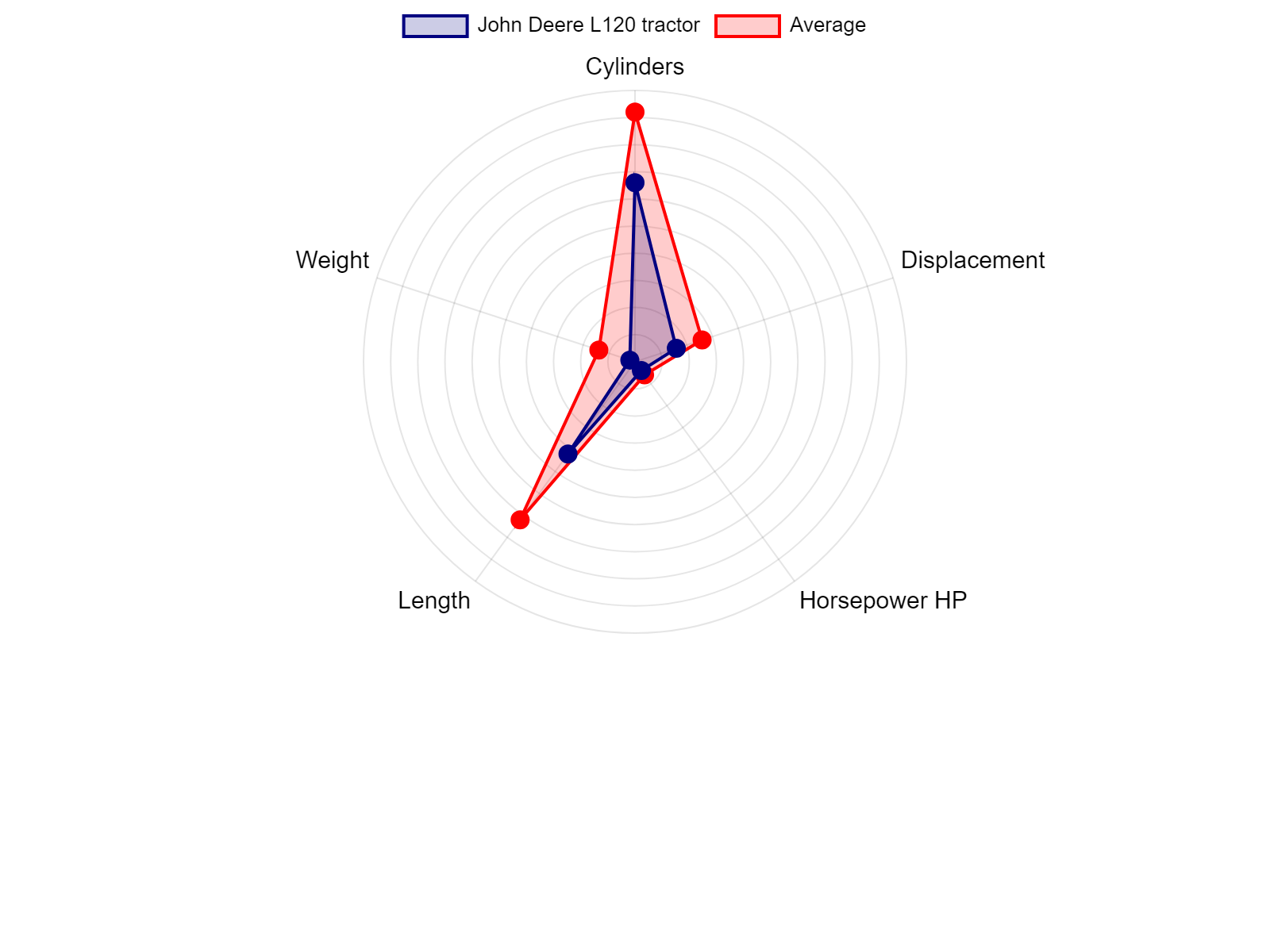
Coolant Capacity Comparison Chart
Coolant capacity comparison
Engine displacement comparison
Kubota L1-20 Coolant and Engine Notes
| Coolant capacity note | The headline cooling-system number for the Kubota L1-20 is 1.59 gal (6 L). Buy enough coolant before opening the drain plug |
|---|---|
| Radiator capacity note | The Kubota L1-20 radiator figure is 1.6 gal (6.1 L). Treat it as radiator context, not always the complete refill amount |
| Coolant type note | The captured coolant type for the Kubota L1-20 is ethylene glycol-based coolant and ASTM D3306 compatible. Do not mix unknown coolant types unless the label and manual say they are compatible |
| Antifreeze mix note | The Kubota L1-20 antifreeze mix is listed as Kubota recommends a 50: 50 ethylene glycol-based coolant-to-water mix for the L1-20 tractor to protect against freezing and corrosion. That is the normal protection range for freezing, boiling and corrosion control |
| Coolant change interval note | For the Kubota L1-20, the service interval is listed as every 2 years. Time matters too, not just engine hours |
| Engine context note | For the Kubota L1-20, the supporting engine specs are displacement 1.4 L (85.4 cu in). Use them as context beside the coolant capacity, not as a replacement for the manual |
| Refill note | For a coolant change on the Kubota L1-20, do not just dump in coolant and walk away. Fill slowly, run it up to temperature, cool it down and top up as needed |
Kubota L1-20 Coolant Capacity FAQ
What is the Kubota L1-20 coolant capacity?
The Kubota L1-20 coolant capacity is listed as 1.59 gal (6 L) for coolant capacity. Use this as the refill planning number and confirm the final level at the radiator or overflow bottle.
Can I use any coolant in the Kubota L1-20?
No. Use ethylene glycol-based coolant and ASTM D3306 compatible or a coolant that clearly matches the manual’s required spec. Wrong coolant can create corrosion, deposits or seal problems.
Is premixed coolant okay for the Kubota L1-20?
Premixed coolant can be fine if it matches ethylene glycol-based coolant and ASTM D3306 compatible and the required mix. The captured mix for the Kubota L1-20 is Kubota recommends a 50: 50 ethylene glycol-based coolant-to-water mix for the L1-20 tractor to protect against freezing and corrosion.
How often should I change coolant in the Kubota L1-20?
The captured coolant change interval for the Kubota L1-20 is every 2 years. If service history is unknown, changing it is usually smarter than guessing.
What engine specs affect Kubota L1-20 coolant capacity?
The captured engine context is displacement 1.4 L (85.4 cu in). Engine size is one reason coolant capacity changes between tractors.
Mistakes do happen. Tractor coolant specs can change by year, market, engine, radiator, cab/heater setup and service procedure. Please check the operator manual, decal information and official kubotausa.com website for official information before draining or refilling the cooling system.