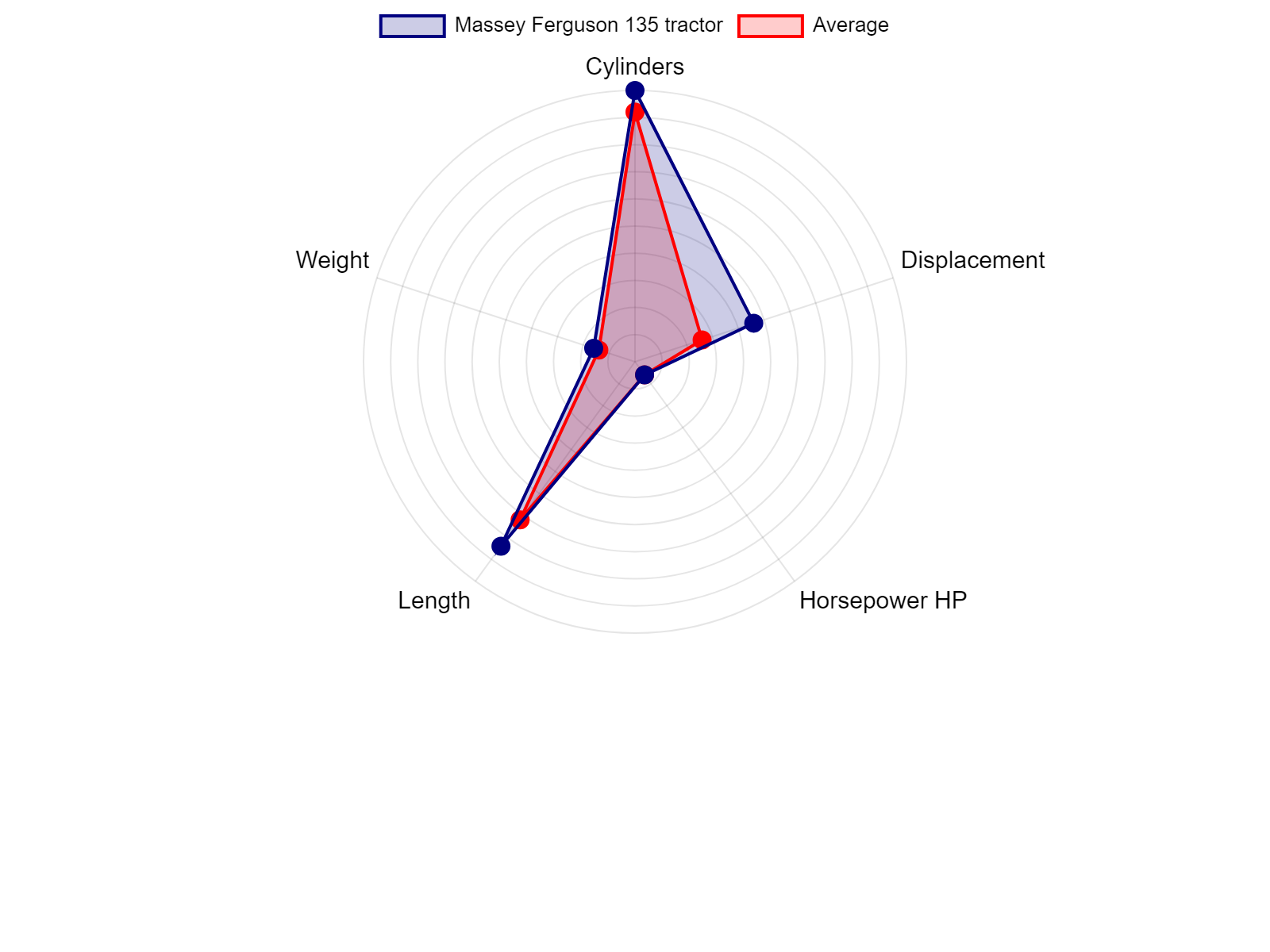
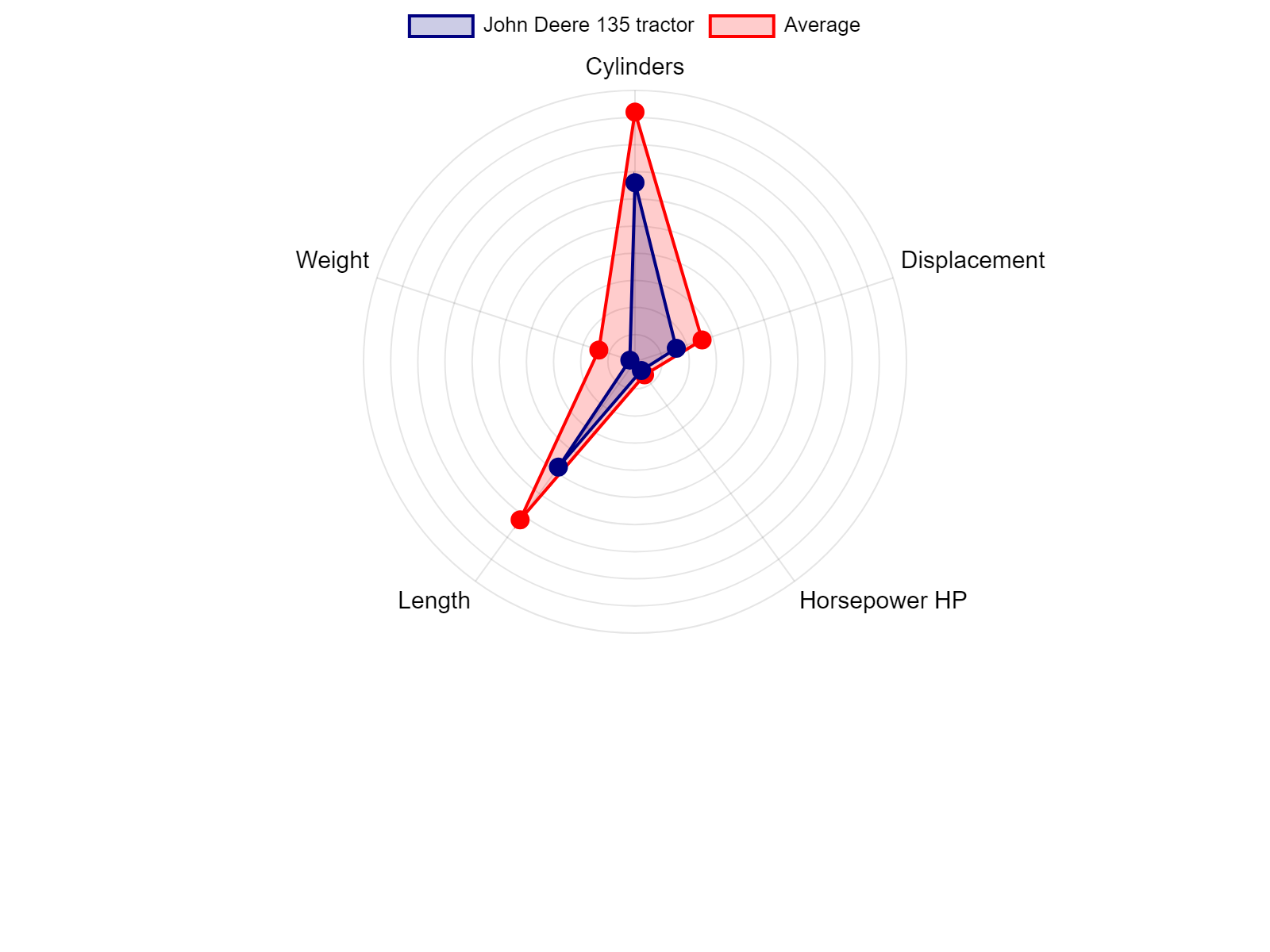
The Case IH Puma 160 tractor engine horsepower is 160 hp | 119.3 kW, PTO horsepower is 135 hp | 100.7 kW, and the drawbar horsepower is 118.5 hp | 88.4 kW.
Engine HP160 hp | 119.3 kW
PTO HP135 hp | 100.7 kW
Drawbar HP118.5 hp | 88.4 kW
PTO Transfer84.4%
Displacement410.6 ci | 6.7 L
Case IH Puma 160 Horsepower Specs
Engine gross horsepower
160 hp | 119.3 kW
PTO horsepower claimed
135 hp | 100.7 kW
PTO horsepower tested
155.8 hp | 116.2 kW
Drawbar horsepower tested
118.5 hp | 88.4 kW
Case IH Puma 160 Useful Horsepower Calculations
PTO-to-engine power transfer
84.4% of engine hp reaches the PTO
Drawbar-to-engine power transfer
74.1% of engine hp reaches the drawbar
Drawbar-to-PTO power ratio
87.8% drawbar hp vs PTO hp
Engine size per PTO horsepower
3 ci per PTO hp
PTO horsepower per liter
20.1 PTO hp per L
Engine size per engine horsepower
2.6 ci per engine hp
Engine horsepower per liter
23.9 engine hp per L
Fuel tank per PTO horsepower
0.6 gal per PTO hp
Rated speed per PTO horsepower
16.3 rpm per PTO hp
Case IH Puma 160 Engine Specs
Engine type
turbocharged diesel
Displacement
410.6 ci | 6.7 L
Bore and stroke
4.094×5.197 inches | 104 x 132 mm
Emissions
Interim Tier 4
Rated RPM
2200
Case IH Puma 160 Fuel, Cooling, Starting & Service Specs
Fuel capacity
86 gal | 325.5 L
Starter volts
12
Battery volts
12
Case IH Puma 160 Horsepower Comparison Charts
Engine horsepower comparison
This model
160 hp
Average
210 hp
Low
120 hp
High
380 hp
PTO horsepower comparison
This model
135 hp
Average
175 hp
Low
100 hp
High
320 hp
Drawbar horsepower comparison
This model
118.5 hp
Average
150 hp
Low
85 hp
High
280 hp
Displacement comparison
This model
410.6 ci
Average
520 ci
Low
360 ci
High
750 ci
Rated RPM comparison
This model
2,200 rpm
Average
2,100 rpm
Low
1,600 rpm
High
2,500 rpm
Engine size per PTO HP
This model
3 ci/hp
Average
3.3 ci/hp
Low
2 ci/hp
High
5.2 ci/hp
Benchmarks use practical low, average and high ranges for the large ag tractor category. Use the operator manual and actual engine/tractor configuration before sizing implements or judging working power.
Case IH Puma 160 Horsepower FAQ
How much horsepower does the Case IH Puma 160 have?
The listed engine output is 160 hp, below the 210 hp benchmark average. That is a lower-power result, so the smarter match is lighter implements and jobs that do not demand more than about 160 hp.
How much PTO horsepower does the Case IH Puma 160 have?
The listed PTO output is 135 hp, below the 175 hp benchmark average. For real use, size PTO implements below or near 135 hp rather than using a bigger engine-horsepower number.
How much drawbar horsepower does the Case IH Puma 160 have?
The listed drawbar output is 118.5 hp, below the 150 hp benchmark average. For pulling work, the safer assumption is about 118.5 hp at the drawbar before soil, ballast and tire limits are considered.
How much engine power reaches the PTO on the Case IH Puma 160?
The PTO-to-engine transfer works out to 84.4%, from 160 engine hp to 135 PTO hp. That is a normal usable range for judging PTO implement fit.
How efficient is the Case IH Puma 160 for pulling work?
The drawbar-to-engine transfer is about 74.1%, from 160 engine hp to 118.5 drawbar hp. That gives a more grounded pulling estimate than engine horsepower alone.
Is the Case IH Puma 160 better judged by PTO hp or drawbar hp?
The drawbar output is about 87.8% of PTO output, comparing 118.5 drawbar hp with 135 PTO hp. That helps separate pulling ability from PTO implement ability.
How big is the Case IH Puma 160 engine?
The engine displacement is 410.6 ci, below the 520 ci benchmark average. Smaller displacement usually means less engine size behind each horsepower number.
Is the Case IH Puma 160 engine stressed for its PTO horsepower?
The engine has about 3 cubic inches per PTO hp, using 410.6 ci and 135 PTO hp. That is close to the normal benchmark for this category.
How much PTO horsepower per liter does the Case IH Puma 160 make?
The output density is about 20.1 PTO hp per liter, using 135 PTO hp and 6.7 L of displacement. Higher hp/L means more output squeezed from each liter; lower hp/L usually means a more relaxed engine tune.
Official information note
Horsepower and engine specs can vary by year, market, engine option, fuel system, test standard and tractor configuration. Check the operator manual, spec plate, parts book and official caseih.com website before buying parts, sizing implements or making repair decisions.