The Kubota L2600 coolant capacity is listed as 1.59 gal (6 L). It also lists coolant type ethylene glycol-based coolant, Kubota Genuine Coolant, and ASTM D3306 compatible and antifreeze mix 50/50 coolant and distilled water mix.
Kubota L2600 Coolant Capacity
| Coolant capacity | 1.59 gal (6 L) |
|---|---|
| Cooling system capacity | 1.59 gal (6 L) |
| Radiator capacity | 1.59 gal (6 L) |
| Coolant type | ethylene glycol-based coolant, Kubota Genuine Coolant, and ASTM D3306 compatible |
| Antifreeze mix | 50/50 coolant and distilled water mix |
| Coolant change interval | every 700 hours |
| Engine horsepower | 27 hp (20.1 kW) |
| Engine displacement | 1.4 L (85.4 cu in) |
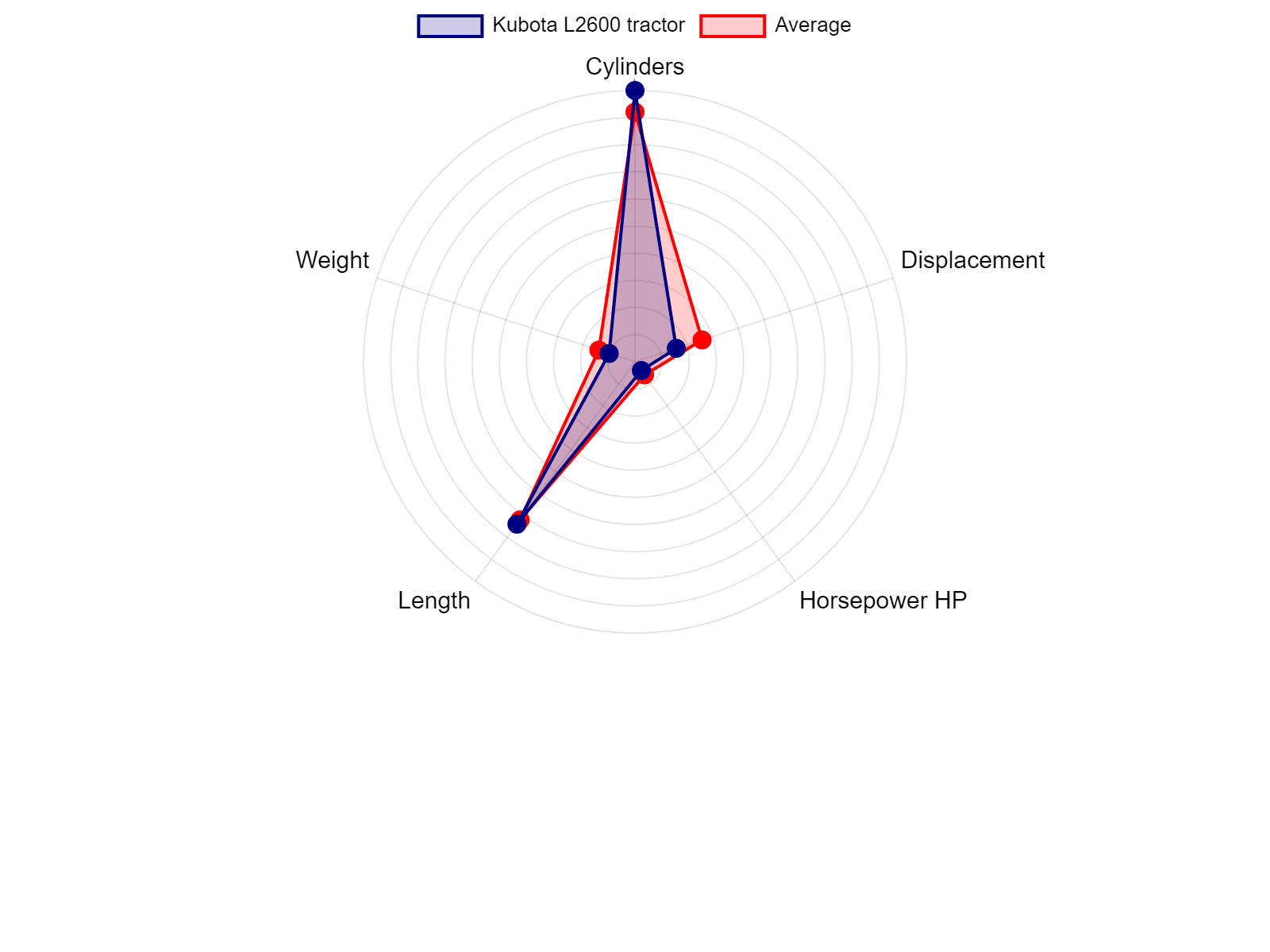
Coolant Capacity Comparison Chart
Coolant capacity comparison
Engine horsepower comparison
Engine displacement comparison
Kubota L2600 Coolant and Engine Notes
| Coolant capacity note | The Kubota L2600’s key coolant figure here is 1.59 gal (6 L) for coolant capacity. Use that before buying coolant or draining the system |
|---|---|
| Radiator capacity note | Radiator capacity is listed as 1.59 gal (6 L). The full cooling system can be higher because coolant also sits in the engine and hoses |
| Coolant type note | The captured coolant type for the Kubota L2600 is ethylene glycol-based coolant, Kubota Genuine Coolant, and ASTM D3306 compatible. Do not mix unknown coolant types unless the label and manual say they are compatible |
| Antifreeze mix note | The 50/50 coolant and distilled water mix mix gives the Kubota L2600 coolant system a sensible balance of freeze protection, boil protection and corrosion protection |
| Coolant change interval note | The captured coolant change interval for the Kubota L2600 is every 700 hours. Old coolant can lose corrosion protection even if the tractor still runs cool |
| Engine context note | The Kubota L2600 engine data captured here is engine horsepower 27 hp (20.1 kW) and displacement 1.4 L (85.4 cu in). Bigger engines usually need more coolant and more careful refill bleeding |
| Refill note | For a coolant change on the Kubota L2600, do not just dump in coolant and walk away. Fill slowly, run it up to temperature, cool it down and top up as needed |
Kubota L2600 Coolant Capacity FAQ
What is the Kubota L2600 coolant capacity?
The Kubota L2600 coolant capacity is listed as 1.59 gal (6 L) for coolant capacity. Use this as the refill planning number and confirm the final level at the radiator or overflow bottle.
Can I use any coolant in the Kubota L2600?
No. Use ethylene glycol-based coolant, Kubota Genuine Coolant, and ASTM D3306 compatible or a coolant that clearly matches the manual’s required spec. Wrong coolant can create corrosion, deposits or seal problems.
Is premixed coolant okay for the Kubota L2600?
Premixed coolant can be fine if it matches ethylene glycol-based coolant, Kubota Genuine Coolant, and ASTM D3306 compatible and the required mix. The captured mix for the Kubota L2600 is 50/50 coolant and distilled water mix.
How often should I change coolant in the Kubota L2600?
The captured coolant change interval for the Kubota L2600 is every 700 hours. If service history is unknown, changing it is usually smarter than guessing.
Why does the Kubota L2600 coolant amount differ from other models?
Coolant capacity changes with engine and radiator setup. For the Kubota L2600, the supporting engine data is horsepower 27 hp (20.1 kW) and displacement 1.4 L (85.4 cu in).
Mistakes do happen. Tractor coolant specs can change by year, market, engine, radiator, cab/heater setup and service procedure. Please check the operator manual, decal information and official kubotausa.com website for official information before draining or refilling the cooling system.